Rij toevoegen
Element toevoegen
kropper
update
Noorder Kempen Zakelijk
update
Element toevoegen
  • Thuis
  • ...
    • Medisch & Zorg
    • Agrarisch & Landbouw
    • Bouw & Renovatie
    • Detailhandel & Retail
    • Horeca & Toerisme
    • Industrie & Techniek
    • Logistiek & Transport
    • Zakelijke dienstverlening
    • Onderwijs & Vorming
    • ICT & Innovatie
    • Vastgoed
    • Vrije beroepen & Creatieve sector
    • bevolkingsgegevens
July 04.2025
2 Minutes Read

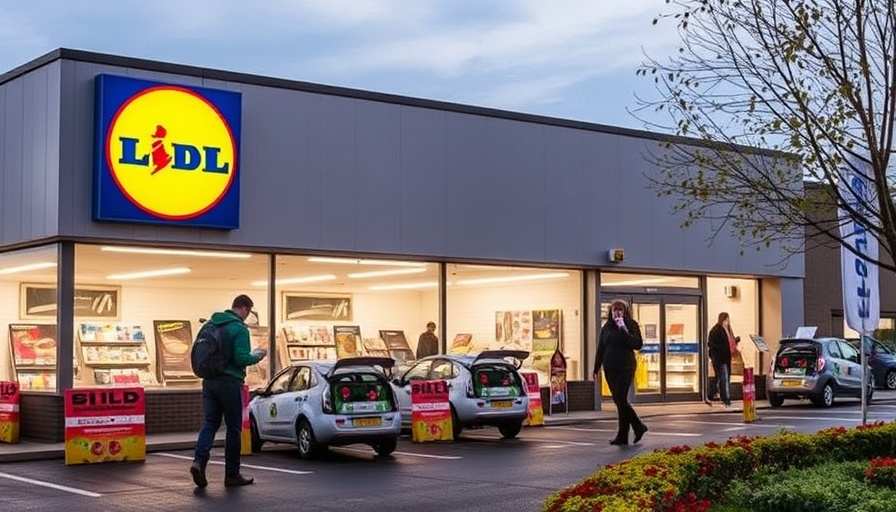
Lidl Depots Blockades: A Wake-Up Call for Workers' Rights

Blokkades bij alle Lidl-depots van België

The Reasons Behind the Blockades

Recently, all five Lidl depots in Belgium faced blockades initiated by the ACV labor union. The action comes amid rising concerns from employees regarding the overwhelming work pressure they are currently enduring. With reports indicating increasing workloads across supermarkets, the union argues that this situation is no longer sustainable for staff members. The emphasis is on the need for management to reassess work protocols and employee welfare, particularly in the context of a sector that is crucial for everyday consumer life.

Impact on Consumers and Supply Chains

The blockade at Lidl depots has implications not only for the employees but also for the consumers who rely on these supermarkets for their groceries. As one of the leading discounters in Belgium, Lidl's supply chain is now being disrupted. This delay in deliveries could lead to product shortages, which would ultimately impact customers' shopping experiences. Amidst increasing inflation and economic pressures, consumers are already feeling the strain; they may soon find themselves facing empty shelves or limited options in stores.

Labor Relations in Retail: A Broader Perspective

The current situation at Lidl isn't an isolated incident; rather, it reflects a broader trend within the retail sector, where workers are increasingly advocating for better working conditions and fair pay. As similar strikes have appeared across Europe, the question arises whether companies like Lidl will face broader scrutiny regarding their labor practices. These blockades serve as a reminder of the essential balance that must be maintained between corporate profitability and employee well-being.

Future Predictions: The Evolution of Retail Labor

As the retail environment becomes more competitive, companies face the challenge of attracting and retaining talent while ensuring operational efficiency. Experts predict that if Lidl and other retailers do not address the concerns raised by employees, they may face increased strikes or walkouts in the future. This could revolutionize traditional retail labor relations, leading to a shift in how employees are perceived and valued within these organizations.

Taking Action: What Consumers Can Do

Consumers concerned about labor practices at their favorite stores can take several actions. Raising awareness through social media, supporting fair labor campaigns, and opting to purchase from retailers known for ethical practices are vital steps. Demonstrating a demand for attention to workers’ rights can provoke change and ensure a fair playing field for all employees.

Conclusion: The Importance of Awareness in Retail

The blockade at Lidl's depots highlights urgent calls for reform within the retail sector regarding worker treatment. For consumers, understanding the challenges faced by employees helps create a more compassionate shopping environment, one where the voices of workers are not only heard but acted upon. Awareness is the first step towards change, and as shoppers, we play a crucial role in shaping the future of retail.

Vastgoed

11 Views

0 Comments

Write A Comment

*
*
Related Posts All Posts
11.19.2025

How Lidl's CEO is Fighting Unfair Competition in Belgian Retail with Sunday Openings

Update Unpacking Lidl's Claims of Unfair Competition in Belgium In the competitive landscape of Belgian retail, Lidl’s CEO Marjolein Frederickx has raised significant concerns over what she deems “unfair competition.” For Lidl to operate its supermarkets on Sundays, it is obligated to pay its employees a hefty 200% bonus. This presents a financial challenge that leads Frederickx to advocate for legislative change. She argues that such disparities create an uneven playing field, disadvantaging large chains like Lidl against smaller, independently-run stores. The Impact of Sunday Openings on Consumer Behavior Many major retailers in Belgium, such as Delhaize and Carrefour, have embraced Sunday openings, fundamentally altering consumer shopping habits. But what does this shift mean for traditional brands? According to research from YouGov, the increased availability on Sundays can lead to greater shopping volume, making it imperative for retailers to analyze the impact on overall sales performance. Opening on Sunday is not merely an operational decision; instead, it represents a crucial strategic move that could drive market share. Are Sunday Openings Worth the Investment? Local retailers contemplating Sunday openings should weigh the potential benefits against the costs, especially in light of the financial burden imposed on larger chains. While independent retailers may have a more flexible approach to staffing and employee compensation, larger chains face stricter requirements that may make Sunday trading less viable. Each store must carefully assess whether the initial investment yields tangible returns or simply reallocates sales from weekdays to Sundays. A Collective Call for Legislative Reform Lidl is not alone in its cries for legislative intervention in Belgium’s retail sector. Other players like Colruyt and Aldi have echoed similar sentiments, realizing that reform is necessary to create a fair competitive environment. Frederickx's calls for government action come at a crucial time as these chains look for opportunities to level the competitive landscape while also ensuring their operational viability. The Future of Sunday Retail in Belgium As discussions of reform continue, analysts speculate on the long-term implications of Sunday openings on both consumer behavior and overall retail strategy. Will larger chains like Lidl begin to adapt, or will regulatory changes pave the way for a more equitable landscape? The ongoing debate highlights the importance of understanding not just the immediate financial implications, but also the shifting preferences of consumers. Understanding who shops on Sundays and what drives their purchases could redefine how chains like Lidl approach the weekend shopping experience. The dialogue surrounding retail dynamics in Belgium is just beginning. Consumers and retailers alike would benefit from being informed about these critical developments, as they could directly affect shopping habits and business strategies moving forward.

11.03.2025

Explore Gediflora’s Rise: The Journey of Belgian Mums in the Global Market

Update From Local Greenhouses to Global Markets The story of the Pieters family and their floral enterprise, Gediflora, is emblematic of the remarkable journey from local operations to international success. Based in Oostnieuwkerke, West Flanders, Gediflora has cemented its status as a leader in the chrysanthemum market, processing around 100 million bolchrysanthemum plants each year. This impressive volume speaks not only to the family’s commitment to horticulture but also to their innovative approach in expanding their reach globally, with an impressive 95% of their output exported, largely to the United States and Canada. Embracing a New Legacy with Belgian Mums Under the capable leadership of Elien Pieters, the third generation to guide Gediflora, the company has transformed its brand to resonate more deeply with consumers. Introducing the brand “Belgian Mums,” Gediflora aims to capture not just the essence of their chrysanthemum flowers but also the cultural roots from which they hail. Moreover, this branding effort reflects a more modernized vision that combines traditional family values with contemporary marketing strategies, allowing them to stand out in a crowded marketplace. Innovation at the Heart of Growth Since taking the reins, Elien has emphasized innovation as a core aspect of Gediflora's business model. The infusion of fresh ideas has been crucial in refining their processes and expanding their product offerings. With over 140 unique varieties of chrysanthemums featured in their portfolio, Gediflora exemplifies how marrying tradition with innovation leads to sustained success. By leveraging cutting-edge breeding techniques, Gediflora not only ensures product excellence but also caters to evolving consumer preferences. Building a Sustainable Future The significance of sustainability in modern business practices cannot be overstated. Gediflora is committed to promoting eco-friendly practices throughout their production chain. This commitment ensures that their operations not only meet customer demands but also align with global sustainability goals. By minimizing their environmental footprint, Gediflora positions itself as a conscientious choice for consumers who are increasingly aware of sustainable products. Challenges Ahead: Navigating a Global Market While the future appears promising for Gediflora, it is not without its challenges. Competing in a global market requires an acute understanding of varying consumer demands across different regions. The family recognizes that their success will hinge not only on their production capabilities but also on their ability to adapt to market fluctuations and consumer trends. Building strong relationships with distributors and retailers is essential as they look to cement their place in international markets. What Lies Ahead for Belgian Mums? As Gediflora continues to make strides in the agricultural and floral sectors, the journey of the Pieters family illustrates the dynamic nature of commerce today. Their story emphasizes the importance of balancing innovation with tradition while navigating the complexities of the global marketplace. The family's commitment to their craft not only provides insights into their personal legacy but also reflects broader trends in agriculture and consumer goods. As we look forward to seeing how Gediflora expands its influence through “Belgian Mums,” one thing remains clear: the fusion of heritage and modernity is key to thriving in today’s business landscape. The Pieters family's pursuit of excellence offers inspiration to others in the industry, proving that with dedication, vision, and a touch of floral charm, the sky is the limit.

10.25.2025

How Sweco’s Acquisition of Assar Transforms Belgian Architecture Industry

Update The Rise of Sweco: Shaping the Future of Belgian ArchitectureIn a transformative move for the architecture sector in Belgium, the Swedish engineering and architecture giant, Sweco, has solidified its position as the largest architectural firm in Belgium through the acquisition of Assar Architects. This strategic acquisition, announced on October 16, 2025, not only enhances Sweco’s presence in the Belgian and Luxembourg markets but also reflects a growing trend of consolidation within the architectural industry.What This Acquisition Means for the Architecture LandscapeThe integration of Assar, which boasts around 150 skilled professionals and a strong reputation for high-profile projects—like the NATO headquarters in Brussels—signals a shift in how architectural firms will operate moving forward. The partnership is expected to generate "strong synergies" that could lead to integrated solutions offering greater value to clients. As Renaud Chevalier, Assar’s CEO, emphasizes, this merger enhances their capability to manage projects in urban development and contributes significantly to sustainable architecture.Future Trends in Urban DevelopmentThe current state of urban development in Europe emphasizes sustainability, a detail that Sweco has highlighted in its acquisition strategy. As cities aim for energy-efficient infrastructure, the involvement of firms like Assar and the resources of Sweco position them perfectly to lead this initiative. The EU's backing through initiatives such as NextGenerationEU and the Green Deal provides additional momentum for the expectations placed on urban architects.Connecting the Dots: A Larger VisionThe merger follows Sweco's previous acquisition of VK architects+engineers, showcasing a deliberate path to enhance capabilities through consolidation. Not only does this move expand Sweco's workforce significantly, but it also enriches their portfolio, allowing for comprehensive services across multiple sectors. With urban planning at the forefront, the emphasis will increasingly be placed on collaborative projects that marry technology with traditional architecture.What This Means for Professionals in the FieldFor professionals working within or adjacent to the architecture sector, this acquisition signifies an evolution in market dynamics. As architecture firms become part of larger consultancies, smaller firms may need to carve out niches that allow them to thrive amidst giants. This could potentially lead to a wider variety of project types and roles available, as these companies diversify their offerings to include more sustainable and technologically-driven projects.Conclusion: A Call to Action for Industry StakeholdersAs the architectural landscape evolves, it's crucial for professionals and stakeholders in the industry to stay updated. Knowledge of how major players like Sweco and Assar are reshaping the market can lead to strategic career decisions and innovative project possibilities. Whether you're an architect, an urban planner, or in a related field, this is a pivotal moment to engage with ongoing developments in sustainability and architecture. Explore opportunities for continuous learning and adaptation to remain relevant in this fast-changing environment.

Terms of Service

Privacy Policy

Core Modal Title

Sorry, no results found

You Might Find These Articles Interesting

T
Please Check Your Email
We Will Be Following Up Shortly
*
*
*